> For the complete documentation index, see [llms.txt](https://lamhung81-2.gitbook.io/github-basic-tutorial/llms.txt). Markdown versions of documentation pages are available by appending `.md` to page URLs; this page is available as [Markdown](https://lamhung81-2.gitbook.io/github-basic-tutorial/git-how-to.md).

# GIT - move a full git repository from one remote sever to another one

## Copied [from](https://www.atlassian.com/git/tutorials/git-move-repository) <a href="#repo-command-line-instructions" id="repo-command-line-instructions"></a>

Let’s call the original repository ORI and the new one NEW, here are the steps required to copy everything from ORI to NEW:

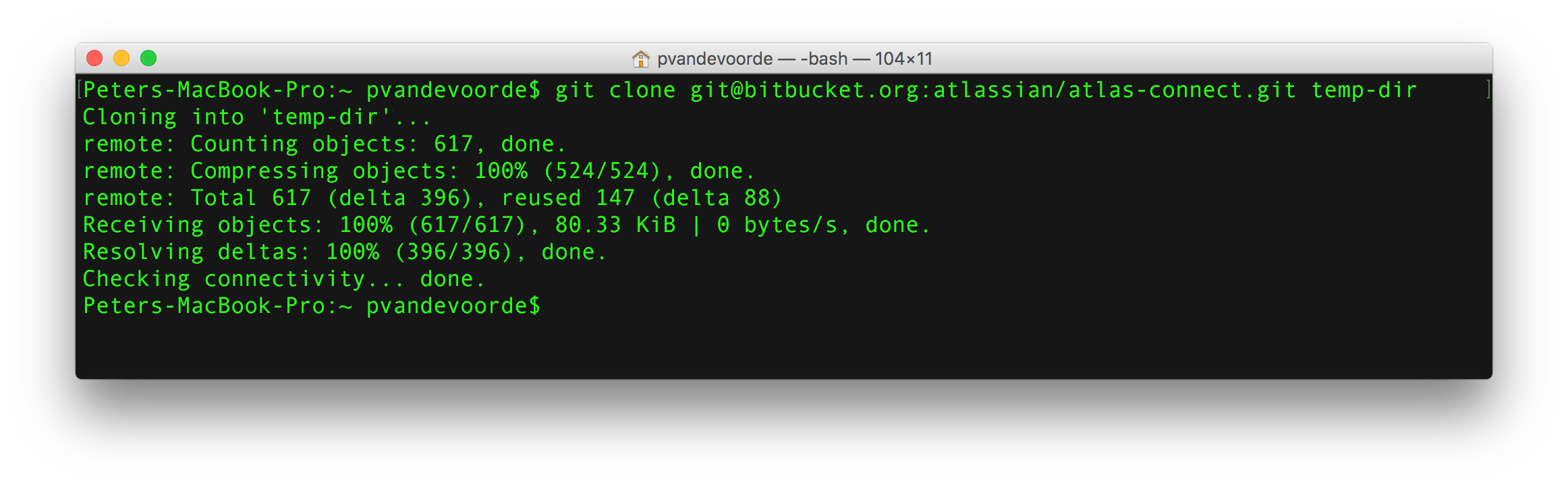
1. Create a local repository in the **temp-dir** directory using:

```
git clone <url  to ORI repo >  temp-dir
```

![clone ori repository](https://wac-cdn.atlassian.com/dam/jcr:9fb5cea3-dcd6-4743-b847-a852a9683d47/clone-ori-repo.png?cdnVersion=le)

1. Go into the temp-dir directory.
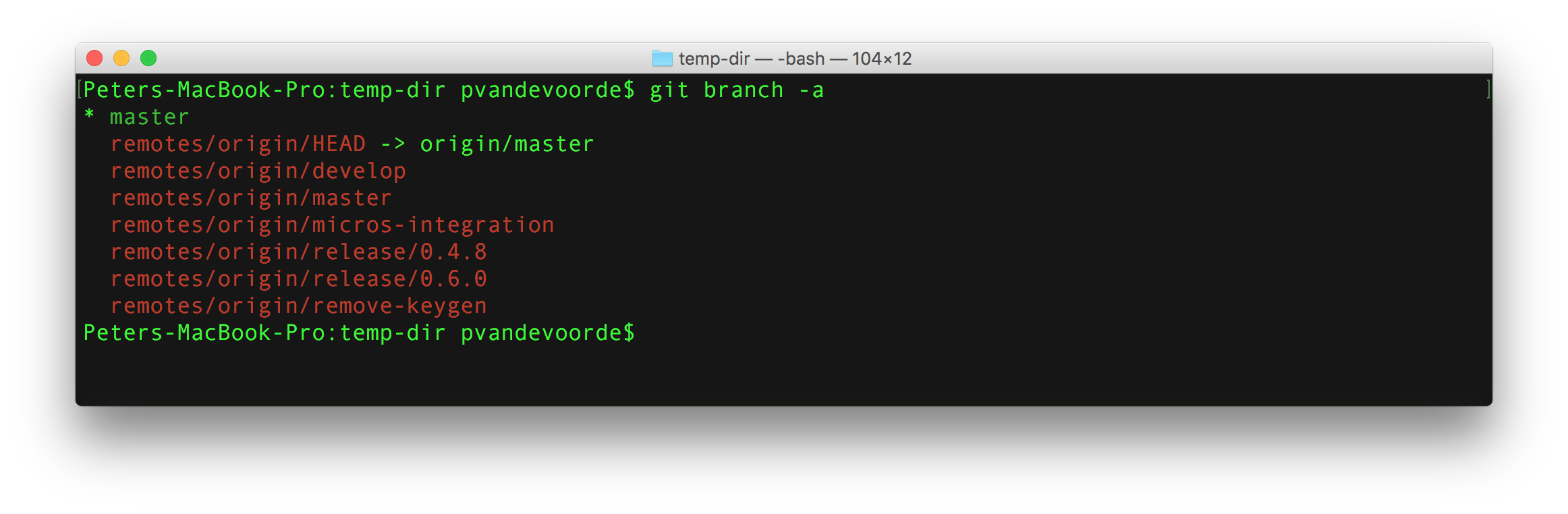
2. To see a list of the different branches in ORI do:

```
git branch -a
```
![git branch-a](https://wac-cdn.atlassian.com/dam/jcr:38e6c2f1-cfc8-47a7-9391-66944c0eacdf/git-branch-a.png?cdnVersion=le)

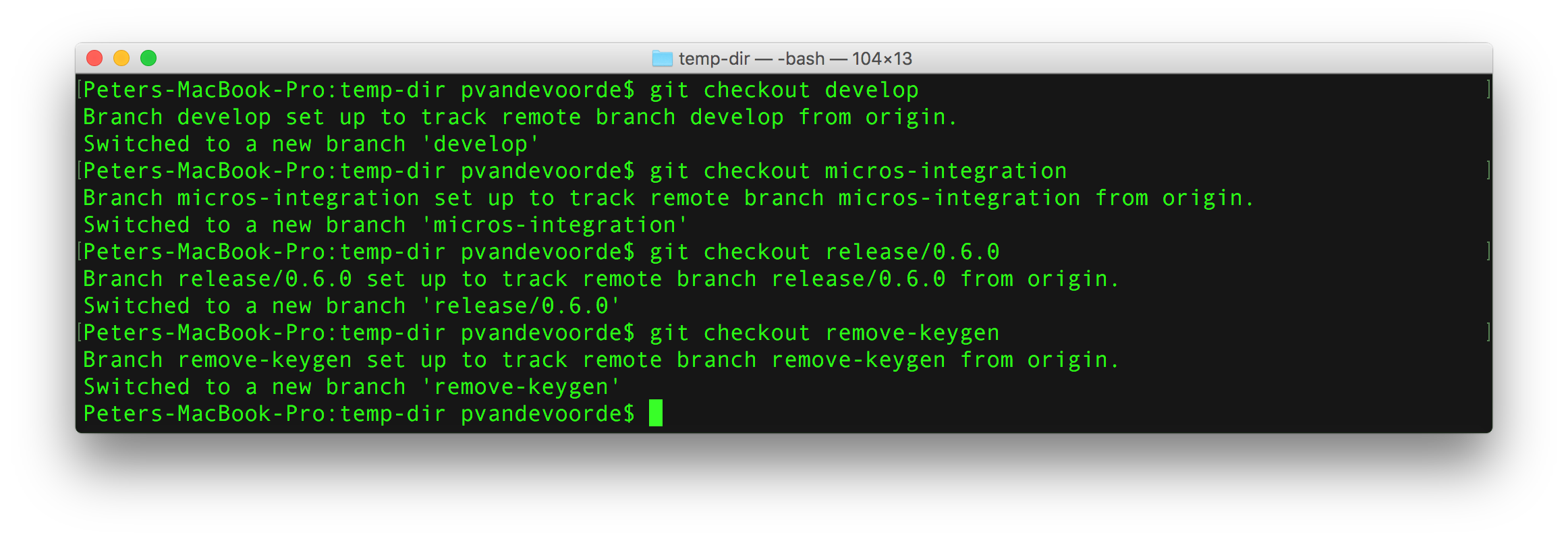
1. Checkout all the branches that you want to copy from ORI to NEW using:

```
git checkout branch- name
```
![checkout-branches](https://wac-cdn.atlassian.com/dam/jcr:f290a19a-3d8b-46ee-ad34-18269d659905/checkout-branches.png?cdnVersion=le)

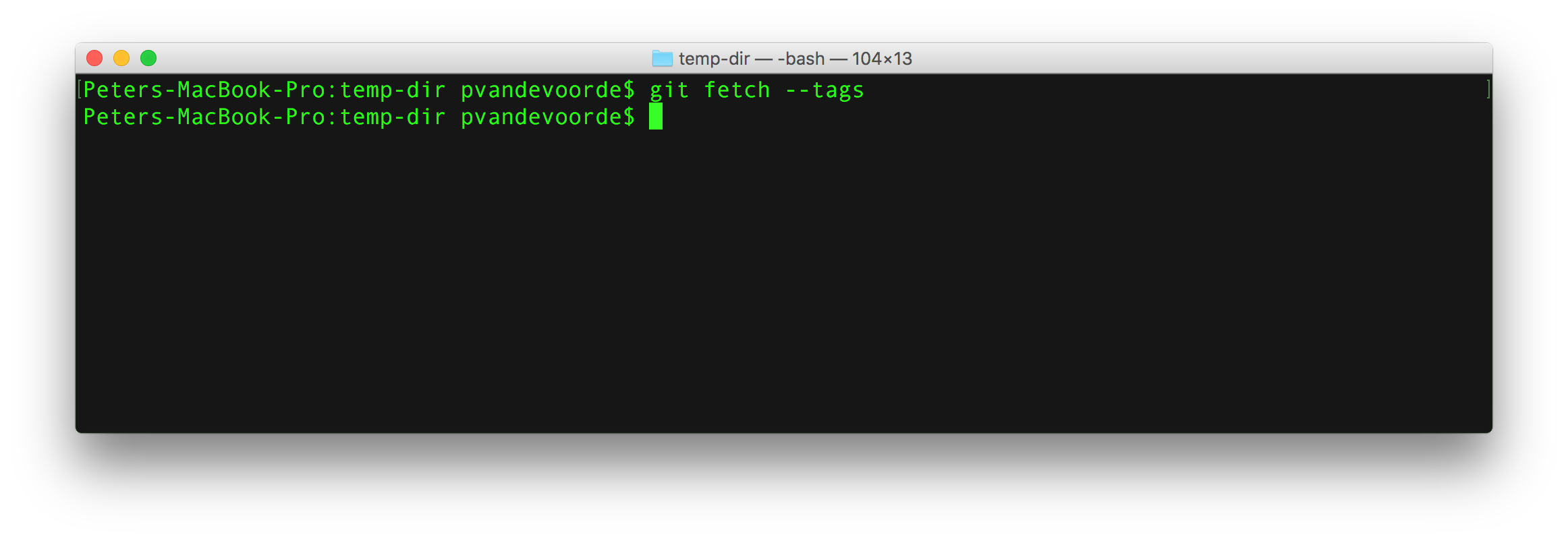
1. Now fetch all the tags from ORI using:

```
git fetch --tags
```
![git-fetch-tags](https://wac-cdn.atlassian.com/dam/jcr:f933e76e-f773-4943-8bd2-935a696cea0d/git-fetch-tags.png?cdnVersion=le)

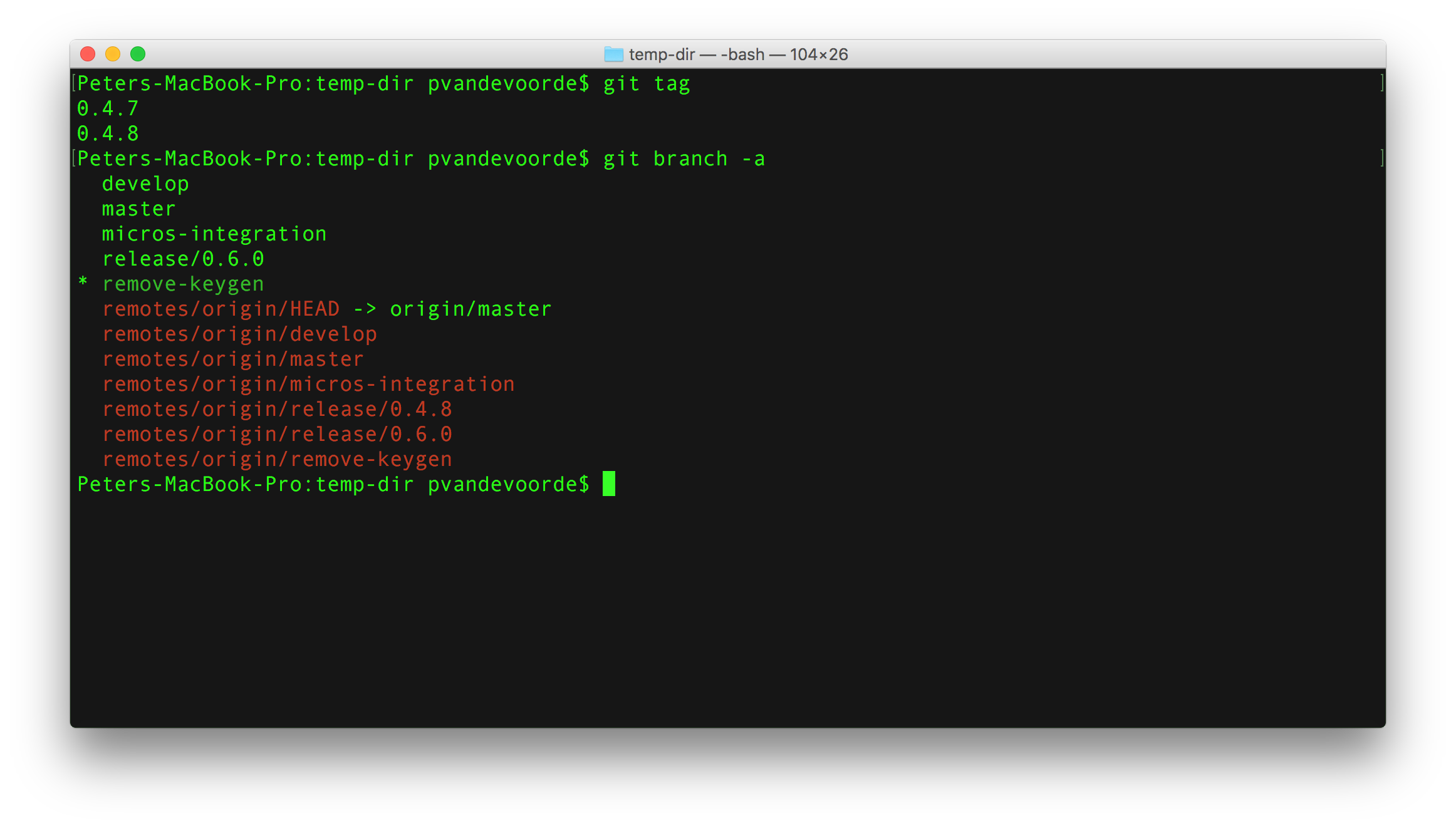
1. Before doing the next step make sure to check your local tags and branches using the following commands:

```
git  tag

git  branch -a
```
![git-tag-and-git-branch-a](https://wac-cdn.atlassian.com/dam/jcr:789cf04f-ed2c-4ef8-8299-138b460b9751/git-tag-and-git-branch-a.png?cdnVersion=le)

1. Now clear the link to the ORI repository with the following command:

```
git remote rm origin
```

1. Now link your local repository to your newly created NEW repository using the following command:

```
git remote add  origin <url toNEW repo>
```

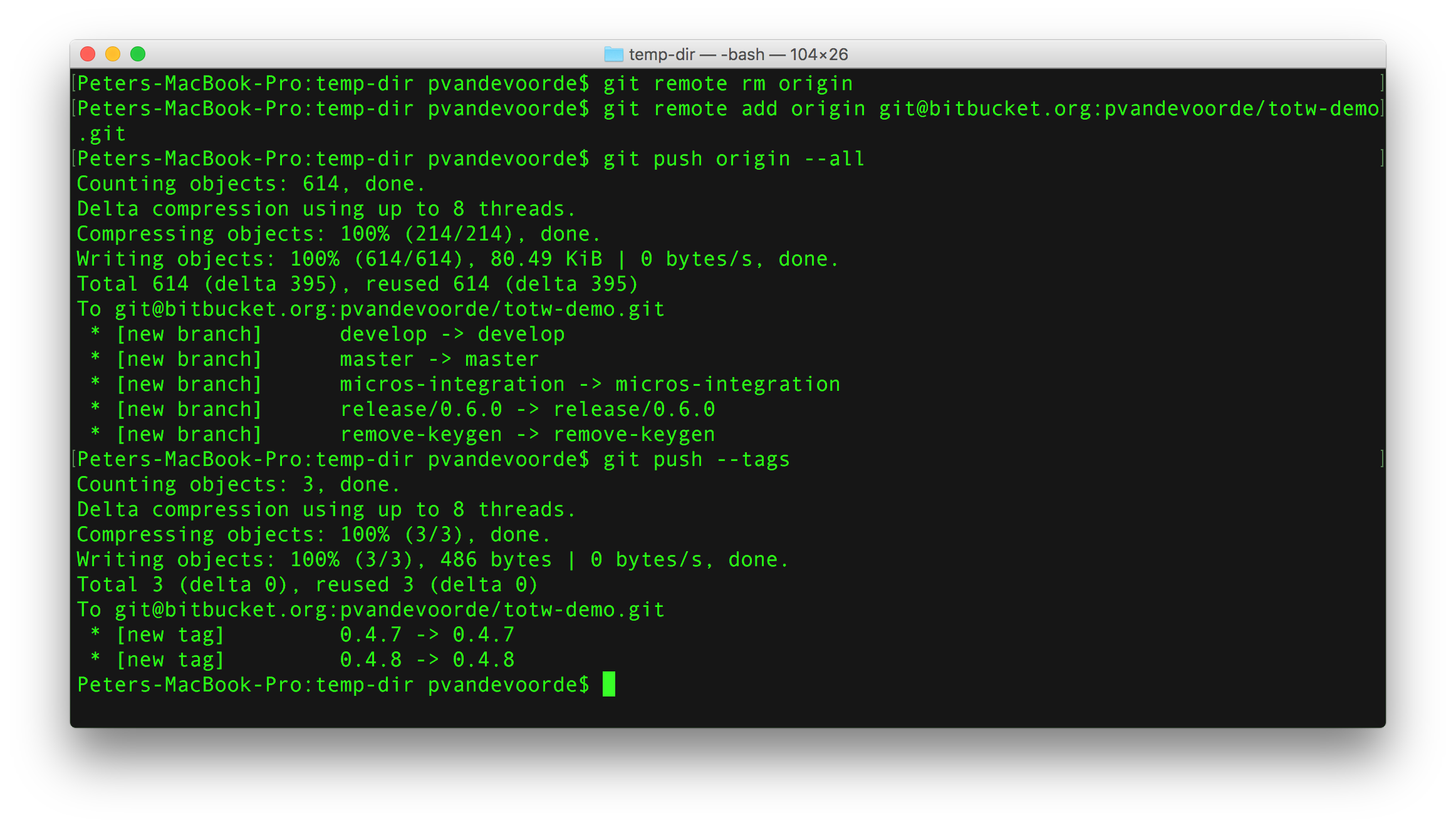
1. Now push all your branches and tags with these commands:

```
git push origin  --all


git push  --tags
```
![end-result](https://wac-cdn.atlassian.com/dam/jcr:2d1db8cb-7a28-46d0-8717-9afb0f1da244/end-result.png?cdnVersion=le)

1. You now have a full copy from your ORI repo.

## Command line instructions from GITLAB <a href="#repo-command-line-instructions" id="repo-command-line-instructions"></a>

### Git global setup

```
git config --global user.name "Lam Hung NGUYEN"
git config --global user.email "lamhung81@gmail.com"
```

### Create a new repository

```
git clone 
https://gitlab.com/lamhung81/auvfirmware.git

cd auvfirmware
touch README.md
git add README.md
git commit -m "add README"

git push -u origin master
```

### Existing folder

```
cd existing_folder
git init
git remote add origin 
https://gitlab.com/lamhung81/auvfirmware.git

git add .
git commit -m "Initial commit"

git push -u origin master
```

### Existing Git repository

```
cd existing_repo
git remote rename origin old-origin
git remote add origin 
https://gitlab.com/lamhung81/auvfirmware.git
git push -u origin --all
git push -u origin --tags
```


---

# Agent Instructions
This documentation is published with GitBook. GitBook is the documentation platform designed so that both humans and AI agents can read, navigate, and reason over technical content effectively. Learn more at gitbook.com.

## Querying This Documentation
If you need additional information that is not directly available in this page, you can query the documentation dynamically by asking a question.

Perform an HTTP GET request on the current page URL with the `ask` query parameter, and the optional `goal` query parameter:

```
GET https://lamhung81-2.gitbook.io/github-basic-tutorial/git-how-to.md?ask=<question>&goal=<endgoal>
```

`ask` is the immediate question: it should be specific, self-contained, and written in natural language.
`goal` is optional and describes the broader end goal you are ultimately trying to accomplish on behalf of the user. GitBook uses it to tailor the answer towards what is most useful for that goal.

The response will contain a direct answer to the question and relevant excerpts and sources from the documentation.

Use this mechanism when the answer is not explicitly present in the current page, you need clarification or additional context, or you want to retrieve related documentation sections.